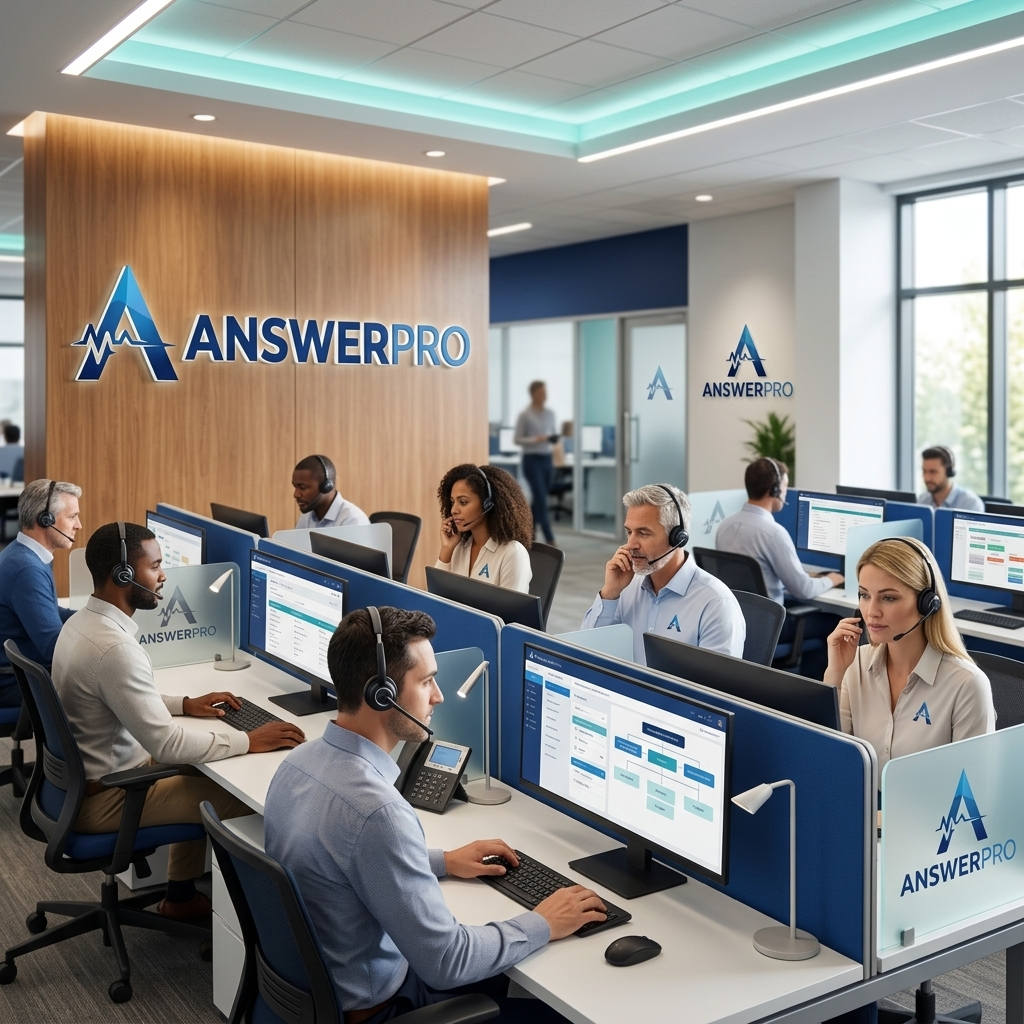

Healthcare data integration is often thought of as a technology upgrade. In reality, data integration in healthcare is one of the most complex operational and risk-driven challenges medical organizations face today.
Between EHR integration, nurse triage platforms, appointment scheduling systems, phone systems, compliance tools, and answering service workflows, healthcare practices operate inside fragmented ecosystems. When healthcare workflow integration is weak, patient care slows down, providers lose confidence, documentation gaps increase, and compliance risk grows.
Strong healthcare data integration is not about connecting software. It is about creating a clinically aware, HIPAA compliant data integration framework that supports how a medical practice actually functions.
Here are the biggest challenges in healthcare data integration, and how to solve them.
Disconnected Systems and Workflow Fragmentation
Most medical practices rely on multiple platforms such as:
- EHR or EMR systems
- Practice management software
- Appointment scheduling tools
- Medical answering services
- Nurse triage systems
- On-call routing tools
The problem with data integration in healthcare is not the number of systems. The problem is fragmented healthcare workflow integration. When platforms do not communicate properly, staff is at risk for data entry duplication, manual handoffs, and shadow documentation.
This leads to:
- Incomplete patient records
- Increased HIPAA compliance exposure
- Missed follow-ups
- Escalation errors
- Staff burnout
The solution to these healthcare data integration challenges is workflow-first design. Medical data integration solutions must be built around documented protocols, structured routing logic, and secure EHR integration standards. Systems should mirror the real clinical and operational processes of the practice, not force staff into disconnected tools.
When healthcare workflow integration is aligned with practice-specific escalation rules and documentation standards, friction drops and clarity increases.
Inconsistent Documentation Across Systems
One of the most common healthcare data integration failures is documentation quality. Even when systems technically connect, message capture and patient data may lack structure.
Common documentation gaps include:
- Missing symptom details
- Vague escalation records
- Unstructured call notes
- Duplicate or conflicting patient entries
Poor documentation undermines healthcare data integration efforts because providers must spend additional time clarifying what should have been captured correctly the first time. In high-risk specialties, incomplete documentation can also create audit and compliance exposure.
To solve this, healthcare data integration has to include documentation discipline. Medical data integration solutions should standardize:
- Structured symptom intake
- Escalation documentation templates
- Message formatting standards
- Defined ownership of data entry
When EHR integration is paired with consistent documentation rules, patient data becomes clinically usable rather than administratively messy.
HIPAA and Security Risks in Healthcare Data Integration
Healthcare data integration introduces significant compliance complexity. Every integration point between EHR systems, answering services, and triage platforms creates potential HIPAA risk if governance is weak.
Common data integration risks in healthcare include:
- Over-permissioned user access
- Unsecured message transmission
- Informal communication channels
- Duplicate PHI storage
- Unclear retention timelines
HIPAA compliant data integration requires more than secure software. It requires structured governance, role-based access control, minimum necessary data usage, and dedicated compliance oversight.
Medical data integration solutions have to define:
- Who has access to what
- Where patient data is stored
- How information moves between systems
- How long data is retained
Healthcare data integration should strengthen compliance posture, not introduce new vulnerabilities.
Complex On-Call and Escalation Logic
After-hours and on-call workflows are among the most fragile areas in healthcare workflow integration. Data integration in healthcare becomes particularly complex when multiple providers, specialties, and nurse triage layers are involved.
Challenges include:
- Rotating on-call schedules
- Specialty-specific escalation thresholds
- Nurse triage handoffs
- Hospital affiliation routing
- Backup contact protocols
When healthcare data integration does not encode escalation logic clearly, decisions rely on individual judgment rather than system structure.
The solution is operational encoding. Medical data integration solutions should incorporate:
- Practice-defined escalation rules
- Structured nurse triage documentation
- Automated routing based on provider schedules
- Clear escalation triggers
When healthcare workflow integration reflects clinical governance, routing becomes predictable and risk decreases significantly.
Scheduling Complexity and Revenue Impact
In high-volume specialties such as primary care, orthopedics, cardiology, and dental practices, scheduling logic is far more complex than a basic calendar.
Healthcare data integration challenges arise when scheduling systems fail to align with:
- Appointment type rules
- Provider preferences
- Procedure lengths
- Chair utilization logic
- Overbooking parameters
Poor EHR integration or fragmented scheduling workflows can result in lost appointments, underutilized providers, and revenue leakage.
Strong healthcare workflow integration has to treat scheduling as a disciplined system. Medical data integration solutions should map:
- Appointment types to appropriate time blocks
- Provider-specific booking rules
- Escalation pathways for urgent appointments
- Protection of production-sensitive slots
When healthcare data integration is aligned with scheduling intelligence, operational efficiency improves and revenue/billing stabilizes.
Emotional and Operational Overload
An often-overlooked challenge in healthcare data integration is the human strain. When systems do not integrate properly, someone becomes the safety net.
Typically, that person is:
- The practice administrator
- The front desk lead
- The compliance officer
Fragmented workflow integration forces internal teams to chase down missing data, clarify documentation, fix vendor mistakes, and absorb blame when processes break down.
Effective healthcare data integration should reduce hidden workload, not increase it. Medical data integration solutions should absorb operational complexity, standardize routing, and eliminate repetitive cleanup work.
When healthcare data integration is designed with clinical awareness and operational discipline, phones and workflows stop being daily crisis points.
The Bigger Reality About Healthcare Data Integration
As practices grow, communication challenges grow with them. Multi-provider clinics, specialty practices, and healthcare organizations with multiple locations need consistent call handling and documentation.
Medical answering services scale easily, ensuring consistent service quality regardless of call volume. This makes it easier to improve medical practice efficiency without compromising patient experience during busy periods.
The Bottom Line
The biggest misconception about data integration in healthcare is that it is primarily a technology issue.
It is not.
Healthcare data integration is a systems design issue. It requires:
- Clinical workflow alignment
- Structured documentation standards
- HIPAA compliant governance
- Escalation clarity
- Ongoing QA and refinement
- EHR integration that mirrors real practice operations
Technology alone cannot solve fragmented healthcare workflow integration. Systems have to be built around the real-world complexity of medical practices.
When healthcare data integration is engineered around specialties, providers, on-call rules, and patient communication pathways, practices experience fewer breakdowns and greater operational calm.
Some Final Thoughts
Healthcare data integration should protect patients, providers, compliance, and billing. It should reduce friction, not create more administrative burden.
Practices that invest in clinically aware healthcare workflow integration see:
- Improved EHR integration performance
- Fewer documentation gaps
- Stronger HIPAA compliance posture
- Reduced escalation errors
- Stabilized scheduling
- Increased provider confidence
The goal here is not just connecting systems. It is building an operational infrastructure that supports care delivery without constant oversight.
If your practice is evaluating medical data integration solutions or struggling with fragmented EHR integration, it may be time to step back and assess whether your current workflows truly reflect how your practice operates.
Healthcare data integration works best when it is designed as an embedded operating system, not a patchwork of disconnected tools. A structured, clinically aligned approach can transform phones, documentation, and escalation workflows from recurring stress points into predictable, reliable infrastructure.
If you would like to explore how a clinically aware communications and workflow model could strengthen your healthcare data integration strategy, a focused operational review may be the right first step.
Schedule a consultation or call us directly at 877-573-6981.